
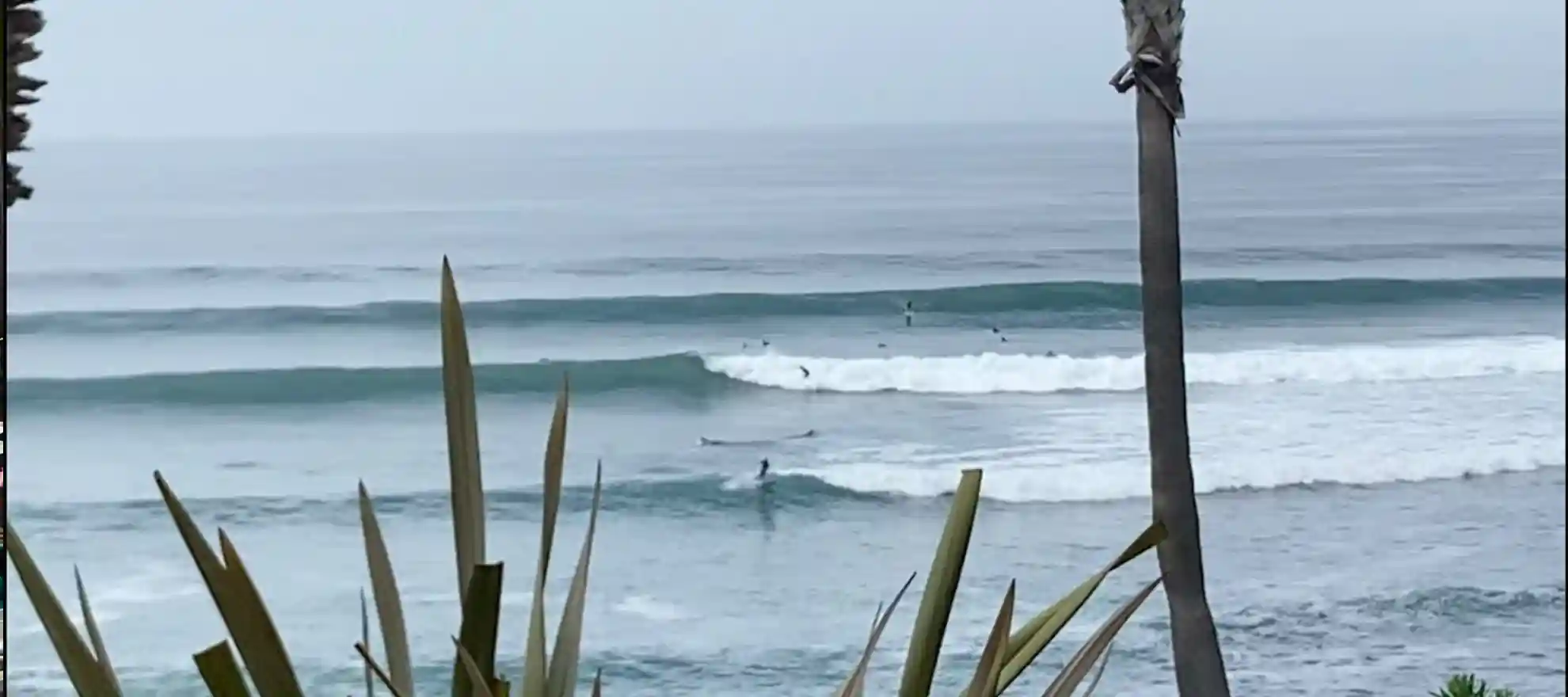
Surfing K38 Rosarito
Surfing K38 and K38.5 in Rosarito, Mexico: Baja’s Premier Point Break for Experienced Surfers
Why K38 Still Defines Northern Baja Surf Culture
For experienced surfers driving south from Southern California, few waves have the consistency, accessibility, and sheer session count of the K38 zone in Rosarito. Located roughly 35–45 minutes south of the San Ysidro border crossing, K38 and K38.5 deliver one of the most reliable right-hand point setups in Northern Baja.
The break in front of Club Marena — commonly referred to as K38.5 — has become especially desirable because of its semi-private access, cleaner lineup management, and protection from most of the crowd intensity found at the main K38 takeoff.
On the right swell and tide, K38 can produce long, fast walls with legitimate power, especially during winter northwest pulses and long-period south swells in summer. Experienced surfers who understand point break positioning, kelp navigation, and lineup etiquette will get the most from this break on the Baja coastline.
Understanding the Difference Between K38 and K38.5
K38 Main Break
The traditional K38 peak is the better-known section and draws the majority of surfers. It is a cobblestone and reef point that breaks primarily right, though shorter lefts occasionally appear depending on swell angle.
The wave offers:
- Long workable walls
- Fast sections with occasional barrels
- Multiple takeoff zones
- Strong shoulder racing sections during larger swells
- Better performance surfing than most nearby Baja points
On a solid NW swell, experienced surfers can link multiple turns across long running shoulders. When the tide and swell direction align, rides can stretch surprisingly long by Northern Baja standards.
The downside is crowds. K38 has become one of the most surfed waves in Baja Norte due to:
- Proximity to San Diego
- Easy highway access
- Predictable swell exposure
- Social media visibility
- Short drive for weekend strike missions
Weekend mornings often resemble crowded Southern California lineups.
K38.5 in Front of Club Marena
The wave directly below Club Marena has a different feel entirely.
K38.5 is essentially a cleaner and more protected continuation of the same reef system, but with restricted access due to the highly secure, gated community location. Surfers staying at Club Marena often enjoy significantly lighter crowds compared with the public access zones, along with easy access and an après-surf shower facility.
The setup favors experienced surfers looking for:
- Longer organized walls
- Less crowded takeoff positioning
- Cleaner surface conditions
- Dawn patrol sessions
- More relaxed lineup etiquette
The bay itself faces southwest and is partially protected from prevailing wind, which can create glassier conditions than surrounding beaches. The sheltered nature of the lineup and the reduced impact from wind chop and marine layer conditions make it a premium spot.
On medium south swells, K38.5 can become extremely playful — long carving walls with enough speed for high-performance surfing but still approachable compared with heavier Baja reefs farther south.
Best Time of Year to Surf K38
Winter (November–March)
Winter is prime season for northwest swell energy.
Expected conditions:
- Chest-high to double overhead+
- More power and consistency
- Faster walls
- Occasional hollow sections
- Colder water and stronger currents
This is when K38 shows its best performance potential. Long-period NW swell lights up the reef and creates more organized point-style lines.
Advanced surfers thrive during winter because:
- Takeoffs become steeper
- Sections connect better
- Speed management becomes critical
- Paddle fitness matters more
Crowds can peak during winter weekends, but during the week you may have it all to yourself at times.
Summer (May–September)
Summer south swells can be excellent, particularly during hurricane season pulses.
Typical conditions:
- Waist-high to overhead
- Cleaner shape
- More forgiving walls
- Longer playful rides
- Warmer water
This is arguably the best season for intermediate surfers wanting fun sessions with occasional power.
South swells tend to produce cleaner, smoother lines and more open turns compared with the punchier winter surf. Longer period swells will produce faster, hollower waves.
Best Days and Crowd Strategy
Least Crowded Windows
If you want quality surf with manageable crowds:
- Tuesday through Thursday dawn patrol
- Midday weekday sessions
- Sunday afternoons after morning crowds fade
- Smaller forecast days with inconsistent swell
Most Crowded Times
- Saturday mornings
- Holiday weekends
- Large clean winter swells
- Summer south swell events with favorable winds
K38’s reputation means good forecasts spread quickly through Southern California surf networks. Even experienced surfers can find the lineup frustrating during prime windows.
Access to the Breaks
Public Access to K38
The main K38 break is relatively straightforward to access from the toll road corridor south of Rosarito.
Most surfers:
- Park near roadside access points
- Walk down bluff trails
- Enter via cobblestone shoreline sections
Footing can be slippery and uneven during higher tides. Vehicle security awareness is still important in Northern Baja. Most experienced Baja surfers avoid leaving visible gear in parked vehicles.
Access Through Club Marena
Club Marena offers one of the best setups in the region for surfers staying overnight.
Benefits include:
- Direct walking access
- Easier paddle-outs
- Board storage convenience
- More controlled beach access
- Excellent security
- Fast dawn patrol entry
The complex sits directly above the break and is visible from the condo. It has become a preferred option for surfers wanting cleaner logistics and reduced crowd pressure.
Wave Size Expectations
Average Surf
Most sessions fall into:
- Waist-high to overhead
- Shoulder-high being extremely common
- Occasional overhead-plus winter days
Larger Swells
During major winter pulses:
- Double overhead sets are possible
- Current increases significantly
- Entry and exit become more technical
- Cleanup sets can sweep wide
The reef and cobblestone setup rewards surfers comfortable with positioning and quick decision-making.
Recommended Skill Level
Best For
- Advanced intermediate surfers
- Experienced point break surfers
- Strong paddlers
- Shortboard and fish riders
- Longboarders on smaller cleaner days
Not Ideal For
- Beginners
- First-time reef surfers
- Inexperienced Baja travelers
- Surfers uncomfortable in crowded lineups
Even moderate days can feel intimidating because of the reef structure, crowd density, and wave speed.
Other Notable Surf Breaks Near Rosarito
La Mision
La Mision sits farther south and offers a very different experience from K38.
The beach break setup produces:
- More spread-out peaks
- Sand-bottom sections
- Bigger open faces during swell
- Less localized crowd pressure
- Punchy waves
- Often colder water than farther north
La Mision works especially well on larger west and northwest swells. It can become heavy and rippy during winter, but experienced surfers often prefer it when K38 becomes overcrowded. The vibe is less performance-point-break and more raw Baja beach break energy.
Popotla
Popotla is closer to central Rosarito and offers softer, more approachable surf depending on conditions, though it can hold large swells.
Compared with K38:
- Less organized shape
- Shorter rides
- More variable peaks
- Easier paddle-outs on smaller days
Popotla is useful as a fallback option when:
- K38 is maxed out
- Winds deteriorate point break conditions
- You want a less competitive lineup
It is generally more forgiving but less mechanically perfect than K38 or K38.5.
Final Take on Surfing K38 and K38.5
K38 remains one of the defining waves of Northern Baja because it consistently delivers long, performance-oriented right walls within easy driving distance of Southern California.
For experienced surfers, the real advantage today may actually be K38.5 below Club Marena — cleaner access, fewer crowds, organized walls, and easier logistics make it one of the most appealing setups anywhere near the border.
On the right swell, with light wind and manageable crowds, the wave still produces the kind of long, flowing Baja point surf that keeps surfers driving south year after year.